General contractors, subs & development teams
Build pilot proficiency first
then take it to the job site
Zephyr gives construction UAS programs a structured path through the fundamentals: stable manual flight, controlled approaches, obstacle awareness, and repeatable camera work. Operators graduate from those building blocks to the kind of missions you actually fly: progress documentation, earthwork and structural survey, and safety walk-throughs without sacrificing people, gear, or schedule while they learn.
The basics that make construction flights predictable
Job sites add cranes, live equipment, uneven ground, and non-pilot traffic. Simulation is where your team rehearses the stick skills and judgment those conditions depend on before the tailboard briefing and before the first live battery on site.
Proficiency before the pad
Establish orientation, smooth control inputs, and repeatable camera habits in software first so the first live flights on your site are confirmation, not experimentation.
Conditions that stress good technique
Layer in wind, obstacles, and tight geometries so pilots learn to hold position, make situtation-based decisions, and reposition safely when the real job site gets noisy.
Evidence supervisors can trust
Flight reports and scores document who is cleared for which mission types; valuable for supers, safety officers, and insurers reviewing your UAS program.
From fundamentals to field application
Start with tutorial and basic flight modules, then add complexity: wind, tight clearances, and scenario objectives that mirror how you document pours, track earthmoving, inspect hard-to-reach faces, or support safety leads with aerial context using the same aircraft profiles and physics you will deploy in operations.
Core proficiency
Orientation, altitude management, slow translation around structures, and smooth camera starts and stops; the raw skills every site mission builds on.
Site-like conditions
Train with wind gusts and cluttered environments so pilots learn to hold position, abort, and re-plan without improvising in the field.
Construction workflows
Translate simulation time into repeatable flight paths and shot lists for documentation, measurement support, and inspections backed by flight reports your safety and operations leads can review.
Digital environments mirror real-world constraints
Practice in settings with vehicles, buildings, tight boxes, and obstacles so when pilots show up to a busy gate or an active pad positioning and spatial awareness already feel familiar.
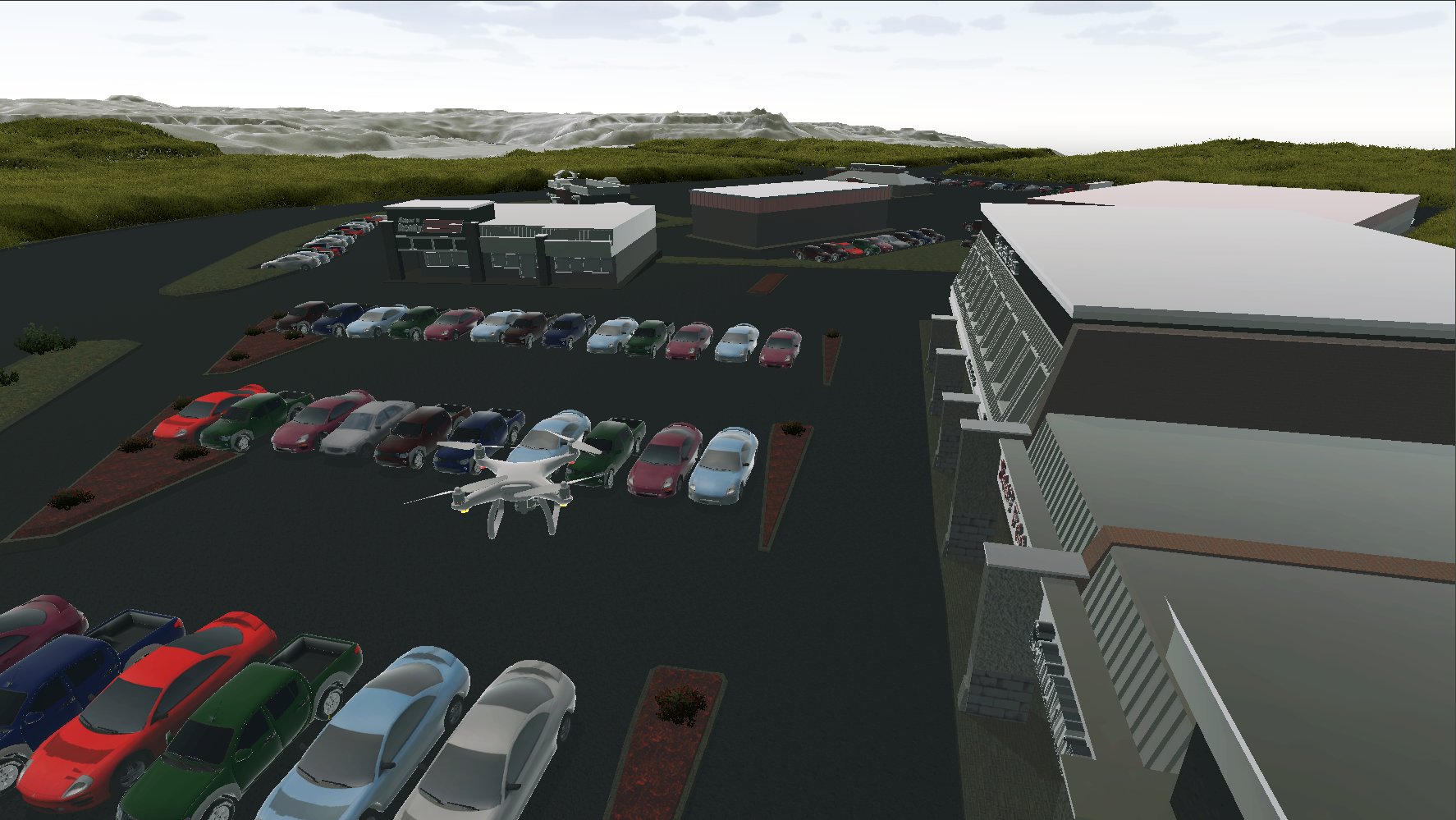
Parking lot & staging areas
Rehearse working around parked equipment, boundaries, and building edges. The kind of margin calls commonly seen in construction logistics and laydown zones.
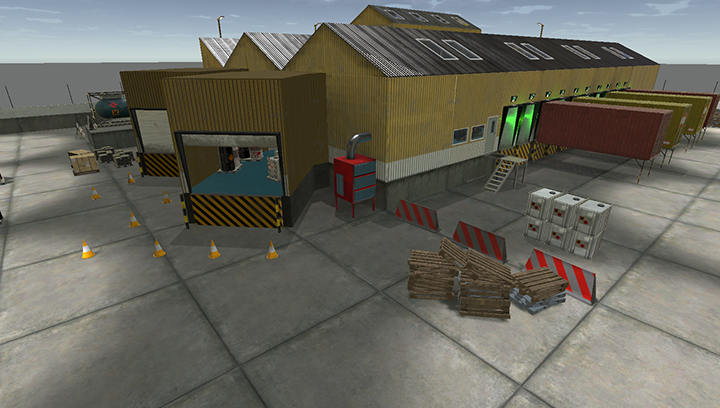
Warehouse & confined practice
Build precision and clearance discipline in tighter quarters, useful when your crews later translate those habits to interior builds, structural stacks, and complex vertical workspace.
More job-site archetypes on the way
Zephyr continues to expand industry scenarios beyond these environments. If your firm needs specific construction motifs, mission templates, or LMS structure for subs and supers, our team can help you build the training content you need.
One stack for skills, reporting, and scale
Whether you are standing up an in-house program or qualifying multiple partners, pair simulation with flight data and optional institution tools so everyone meets the same proficiency bar.
Physics match your aircraft
Train on modeled platforms with realistic flight behavior so controls, braking, and inertia feel familiar when crews swap to field hardware.
Align with your method statements
Structure simulator assignments to mirror lift plans, no-fly buffers, and capture standards so training reinforces how your firm actually builds.
Consistent crews across projects
Roll out the same curriculum to staff and trusted subs so every project starts with pilots who share the same baseline; reducing variance when jobs stack up.
Put a training lane next to your safety plan
We will help you map Zephyr from core proficiency through the construction applications that matter to your teams from single trailer setups to enterprise rollout.