Warehouses, hubs & last-mile operators
Train for tight indoor spaces and confident outdoor flight
Logistics and delivery programs need both: precision in congested aisles and racks, and solid stick skills for yards, parking zones, and open routes. Zephyr's warehouse module builds clearance discipline indoors, while the rest of the training library develops the manual proficiency, wind awareness, and reporting your teams rely on in the field.
From the warehouse floor to the flight line
Whether you are qualifying hub pilots, contractor pools, or mixed indoor–outdoor crews, simulation lets you standardize how people handle obstacles, wind, and aircraft limits before they operate around inventory, vehicles, or the public.
Precision in tight spaces
The warehouse module and related drills build the slow, accurate control inputs and obstacle judgment needed for aisles, mezzanines, and congested hub interiors.
Field-ready manual skills
Outdoor scenarios and core flight modules develop stable lines, turns, and recoveries so pilots are not learning basics for the first time beside trucks, docks, or public streets.
Wind and real-world air
Zephyr's wind system helps operators practice gusts and direction changes before they fly exposed routes where weather, not just geometry, drives risk.
Warehouse interiors and open-air practice
Pair the warehouse scenario with outdoor-style modules so pilots rehearse the full range of constraints they see across a logistics network; not just one environment.
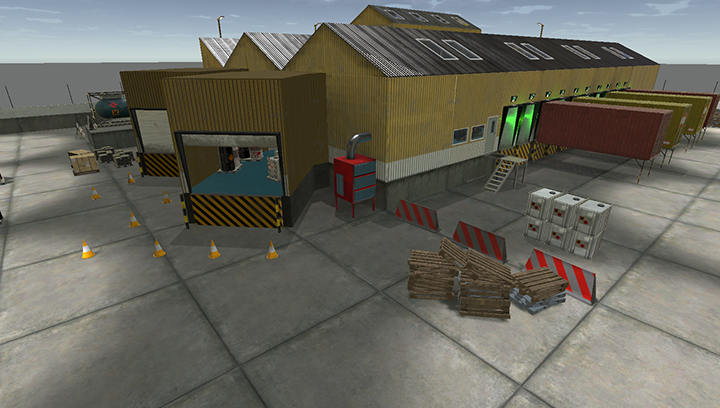
Warehouse module
Practice navigating tight indoor spaces: racks, corridors, and vertical clearances that reward slow, deliberate control and constant spatial awareness; the same habits that matter for inventory flights, inspections, and experimental hub operations without scraping product or structure.
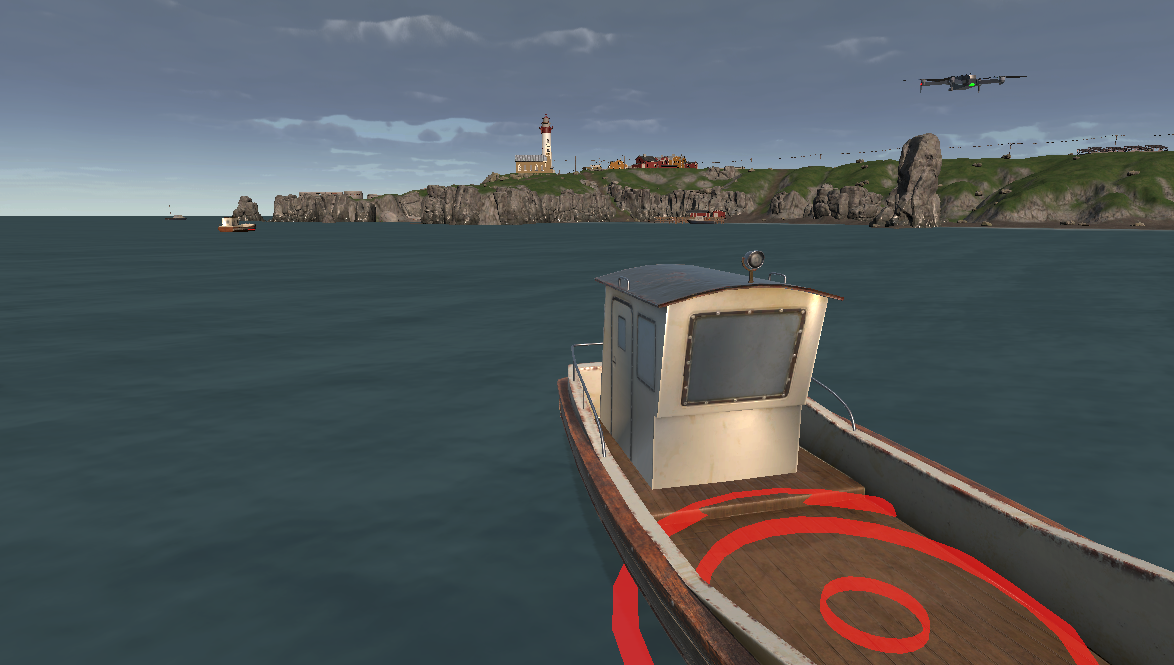
Outdoor & field skills
Complement indoor reps with open scenarios that build pattern flying, wind handling, and margin management around vehicles, buildings, and boundaries; useful for yards, docks, and last-mile environments where GPS, gusts, and traffic all show up together.
Growing with logistics and delivery programs
Zephyr continues to invest in scenarios and workflows that match how goods move;from dense indoor spaces to complex outdoor routes. If your roadmap includes BVLOS preparation, hub-specific layouts, or LMS-backed training across regions, we want to hear your priorities so we can align simulation content and institution tools with how you scale.
Physics, data, and program consistency
Pair realistic aircraft behavior with flight reports and, when you need it, courses and assignments so every site meets the same proficiency standard.
Aircraft behavior you can trust
Train on modeled platforms with realistic flight dynamics so indoor caution and outdoor confidence both transfer to your field hardware.
Align with hub and route procedures
Structure simulator assignments around your checklists and handoff steps so training mirrors how pilots are expected to work.
Proof across sites and partners
Flight reports and optional institution tools document proficiency and keep contractors, regions, or seasonal crews on the same standard.
Standardize training across your network
We will map Zephyr to your indoor and outdoor operating profiles, reporting needs, and how you onboard pilots; from single hubs to enterprise logistics programs.