Law enforcement, Search & Rescue, and fire & emergency services
Drone proficiency training that scales with your agency
Zephyr gives public safety programs repeatable, scenario-based flight practice aligned with nationally recognized proficiency methods. Allow teams to build skills before they burn flight hours or take risks in the field.
Built for how agencies actually train
From statewide programs to multi-site academies, teams use Zephyr to standardize instruction and measure readiness with objective flight data-not guesswork.
Safer path to mission readiness
Rehearse maneuvers, wind, and scenario complexity in simulation so pilots build muscle memory before live aircraft and crowded airspace.
Objective proficiency benchmarks
Train and test against NIST-style lanes and tasks with detailed flight reports providing performance insights to instructors and leadership.
Consistent training at scale
Roll out the same curriculum, scenarios, and standards across academies, regions, or shifts without relying on ad hoc bench instruction.
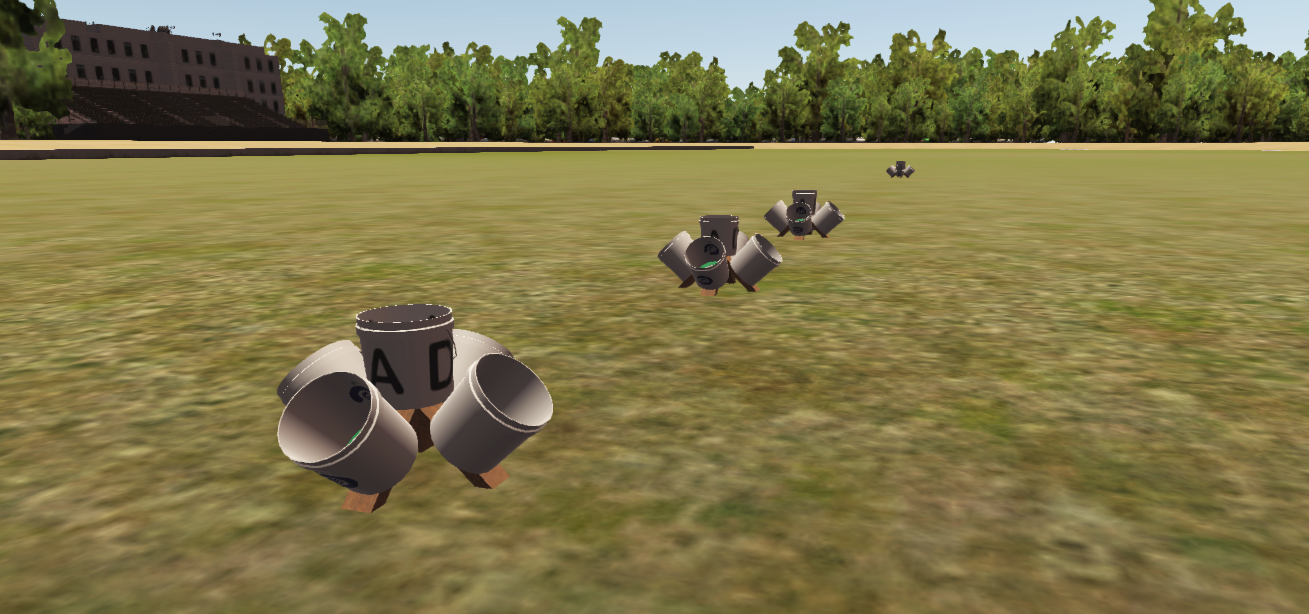
Practice the same skills evaluators measure
The NIST Open Lane approach is widely used with first responders and is the basis for proficiency evaluations such as APSA's BPERP certificate. Zephyr includes dedicated NIST training and testing scenarios so pilots rehearse the course, understand the buckets and lanes, and arrive at live evaluations prepared.
NIST aerial systems test methods - plus our in-app NIST tutorial for your instructors and students.
We found that once we incorporated the flight simulator into our training, the amount of time it took to complete the NIST test was reduced by five minutes. The average flight time used to be right around 30 minutes to complete all five NIST tests. It has been reduced to 24 to 25 minutes for all of our pilots, and this has stayed consistent across three different RPIC schools. So we know this is working.
One platform for curriculum, sim flights, and accountability
Pair simulator time with structured courses and assignments when you use Zephyr's institution tools allowing command staff and leads to see progress across units.
Scenario-based reps
From fundamentals to complex environments, give every pilot the repetitions they need-without weather, scheduling, or asset availability holding progress back.
Standardized evaluation prep
Align simulator assignments with your agency's checklists and national proficiency frameworks so evaluators see prepared, consistent performance.
Flight data leadership can use
Performance reports and trends support after-action review, credentialing decisions, and justifying training investments with evidence.
Texas DPS at scale
The Texas Department of Public Safety case study describes how a large statewide program uses Zephyr to train drone operators efficiently. This supports consistent skill development across many pilots and training venues before they transition to live aircraft.
Equip your agency for the next call
We'll align Zephyr with your training standards, NIST or BPERP objectives, and reporting needs whether you are standing up a new UAS unit or standardizing across regions.